
September 23, 2026
Some furniture comes apart, and some does not. This guide covers what movers usually disassemble, what stays in one piece, and what you can do before the crew arrives.
What Movers Typically Disassemble
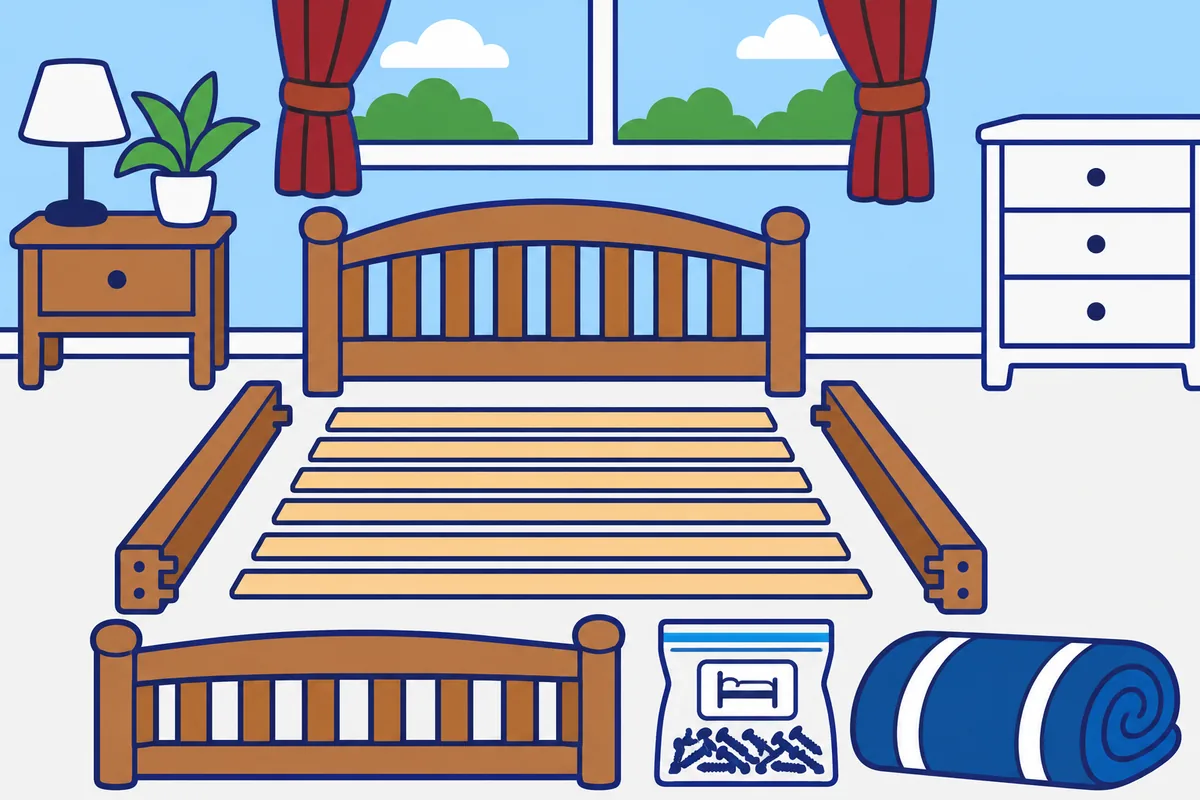
Most moving crews will take apart basic furniture like bed frames, tables with removable legs, and cribs. Policies differ from one mover to another, so ask when you book. Some include disassembly in the standard service, while others charge extra or expect you to do it yourself.
Common items that come apart include headboards, table legs, desks held together with screws, and some wall units. If a piece uses bolts or screws, it is usually a candidate for disassembly. Glued, nailed, or one-piece furniture will likely stay whole.
Complex pieces like IKEA wardrobes and large sectionals may need extra time. Tell the mover ahead about tricky items so the crew can schedule enough time and bring the right tools. A four-poster bed with a canopy often comes apart into several sections, so mention that when you book.
What Usually Stays in One Piece
Some items are not designed to come apart. Modular shelving that snaps together, glued tabletops, and built-in bookcases usually stay as they are. Movers may wrap and protect them, but they will not force a piece apart if it risks damage.
Large sectionals and heavy wardrobes from flat-pack stores are sometimes modular, but they can be complicated. If the manufacturer used cam locks or specialty connectors, a crew might take them down, but it takes extra time. Confirm the policy when you book and tell the mover what you have.
Your Prep Checklist Before Movers Arrive
You can make disassembly faster and protect your belongings with a few simple steps. Go through this list before move day:
- Empty drawers of fragile or heavy items. A dresser or desk with loose objects inside can shift and break.
- Remove mirrors and glass from furniture. Tape a note on the frame so movers know it needs careful handling.
- Take out loose shelves from bookcases or cabinets. They can slide and crack during transport.
- Remove electronics from desks or entertainment centers. Cables and devices should travel separately.
- Keep the screws and hardware in labeled bags. Tape each bag to the piece of furniture it came from, so reassembly is easy.
- Photograph complex assemblies before taking them apart. The pictures help you remember how everything fits back together.
Protect Furniture and Manage Hardware
Most moving crews bring moving blankets and shrink wrap to shield furniture. They typically wrap tabletops, bed frames, and other pieces to prevent scratches and dents. You do not need to buy your own padding unless you want extra coverage.
When you label hardware bags, tape them in a visible spot on the furniture itself. Avoid putting them inside drawers where they can get lost. A small bag with cam locks or bolts can disappear easily, so the more obvious the label, the better.
Special Pieces That Need Extra Care
Antique dressers and marble-top tables deserve a closer look before the crew arrives. Check for loose veneer, wobbly legs, or cracked joints and point them out to the movers. If a piece has a glass top, remove it and pack it separately in a sturdy box with padding. For a china cabinet with glass doors, take the doors off and wrap them individually.
Some dining tables come with a leaf stored underneath. Take the leaf out, wrap it in a blanket, and keep it with the hardware bags. That way nothing gets left behind at the old place.
Tools and Supplies to Have Ready
You do not need a full workshop, but a few basics help the crew work faster. Gather these items before the movers arrive:
- Phillips and flathead screwdrivers in several sizes.
- An Allen wrench set for hex bolts.
- A cordless drill with a charged battery.
- A rubber mallet for cam locks.
- Labeled bags and a marker for hardware.
- A camera or phone to photograph assemblies.
Questions to Ask When You Book
Ask if disassembly and reassembly are included in the quote or billed separately. Some companies charge by the piece, while others include it for beds and basic tables. Find out if the crew brings tools or expects you to have a screwdriver set ready.
Also ask about reassembly at the destination. Most crews put furniture back together in the same room where it belongs, but they may not reconnect appliances or mount wall units. Knowing this ahead of time avoids surprises on move day.
Narrow Stairs and Tight Turns in San Francisco
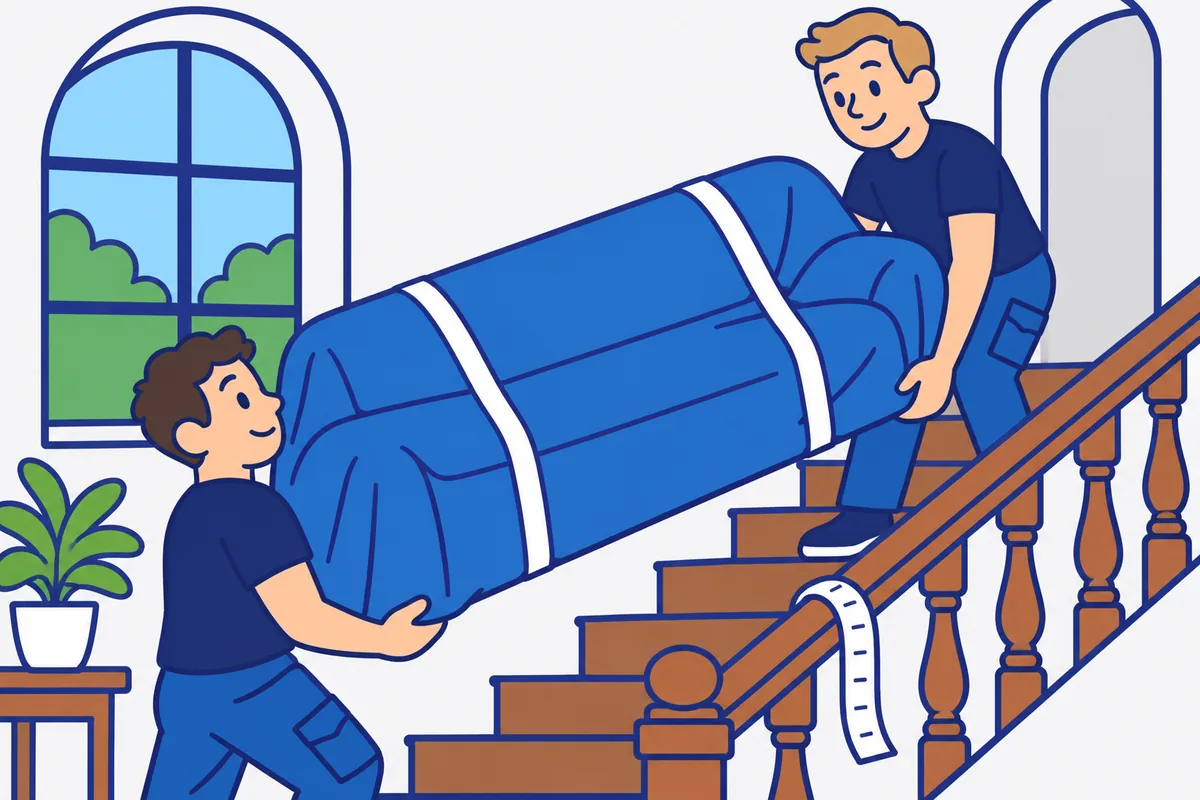
Measure doorways, stairwells, and elevators to see if your furniture will fit through. If a piece is too wide, the crew may need to take it apart or use a different route. Tell the mover about tight spots before they arrive.
Knowing which pieces movers can break down and which to leave whole helps your move run smoothly. Bag and label the hardware yourself so reassembly is easy.
Get a furniture moving estimate and tell us about the pieces you want handled with extra care. We also handle local moves in San Francisco and the surrounding Bay Area.